First step: describe the product you make
A flavour discussion can begin with a product name alone. However, sharing the feed type, the current stage of your formulation and what you want to assess provides a clearer starting point. Are you developing a new product or reviewing an existing formulation? This distinction sets the scope of the enquiry.
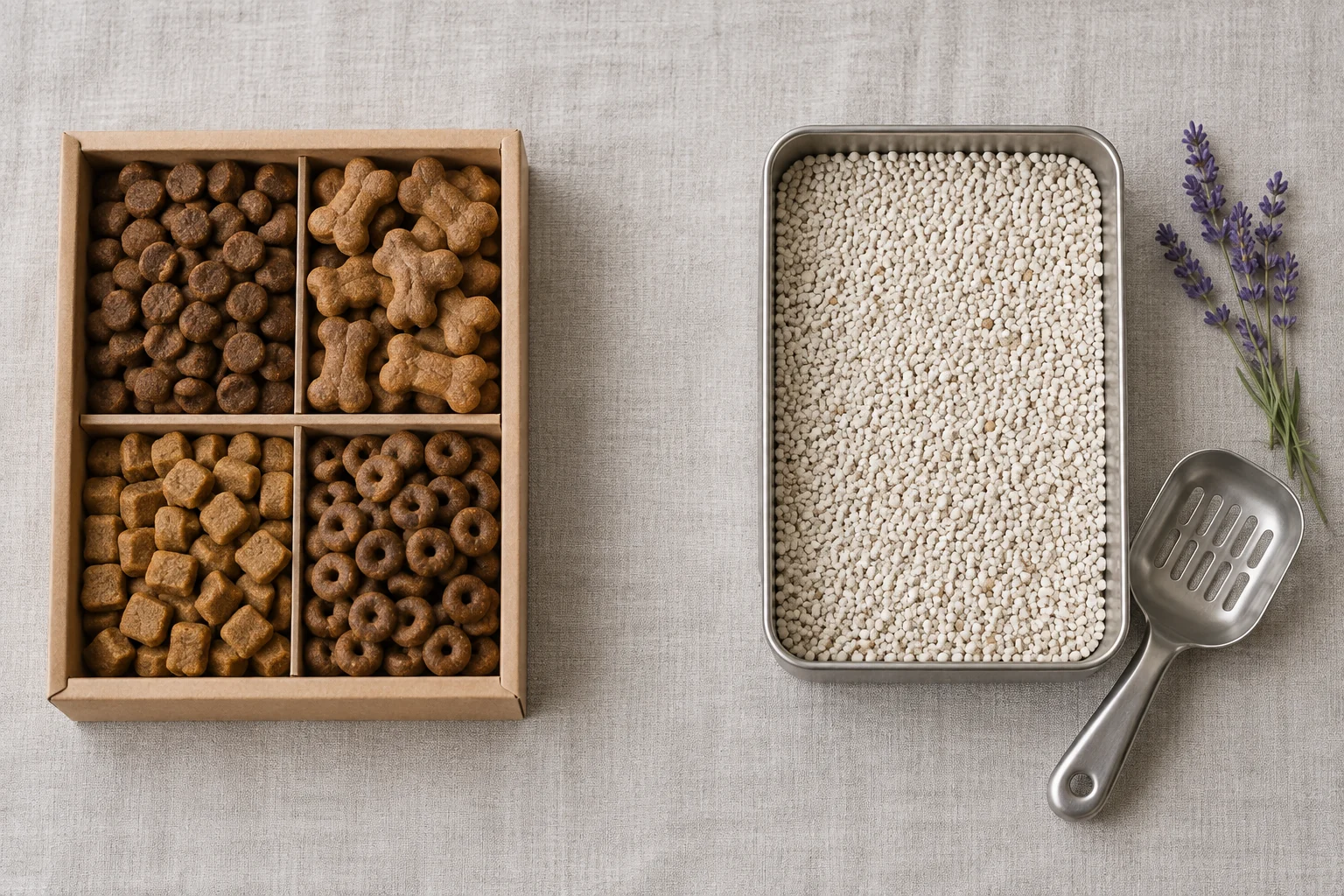
Rasyon Kimya's portfolio presents cattle and small ruminant feed flavours, pet flavours and Aqua flavours under separate headings. Once you have selected the relevant group, you can add the details of your application.
Share the flavour name alongside your objective
Names such as vanilla, vanilla butter, orange, bitter orange, special bitter orange or molasses offer a starting point in the product list. Rather than simply naming a profile, explain why you are considering it. You can describe the character you want to preserve in your current product or the direction you are seeking in a new formulation.
If you have a reference for comparison, mention it at the start of the discussion. Recording the reference name, how it is assessed and which characteristics matter allows both parties to discuss the same expectations.
Bring process information to the technical discussion
The official FAQ page treats dosage, moisture expectations and special product characteristics as separate requests. It is therefore helpful to include the conditions you consider important in your production process in the first message. Share the information you have; do not present an estimate of an unknown value as a confirmed figure.
Your planned dosage is an input for discussion. Rather than assuming a single general dosage for different products, clarify the information relating to the specific flavour and application during the product discussion.
What should a short enquiry include?
You do not need a lengthy presentation for an initial enquiry. A short note covering the following points can help purchasing and technical teams follow the same request. You can also attach your technical specification, if available.
- The type of feed produced and the project's current stage.
- The flavour name of interest or the desired taste and aroma profile.
- Process conditions that can be shared and any special product expectations.
- The dosage you wish to evaluate and your questions.
- Required quantity, company details and the relevant contact person.
Clarify the enquiry with an example
An opening example could be: We would like to assess vanilla and orange profiles in our cattle feed formulation; could we share our current process information and discuss the product options? This explains the product group and the purpose of the discussion without assuming an outcome or quantity. In the next message, you can provide the information requested by the team under the same enquiry. Keeping the initial text brief while making the project's distinctive need clear helps both parties' questions progress in an organised way.
Keep a record of the discussion
Keeping the information received with the product name and discussion date makes it easier to recall which option was considered in later assessments. If there are several alternatives, keep separate notes for each. Also check that the technical discussion and commercial quotation refer to the same product definition.
The aim is not to make every decision in the first message. A well-prepared enquiry makes the manufacturer's need clear, identifies open questions and moves flavour selection forward using concrete information.
Related pages
Product selection and application conditions should be clarified by considering your production process and technical needs together.
Share your technical enquiry